

Greetings from BSG Chairperson Mr. Vishesh Gupta
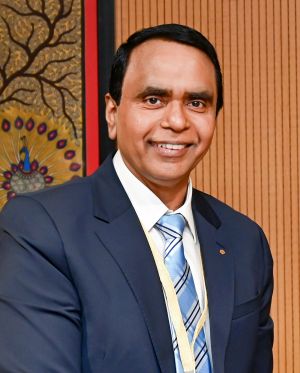
Dear Readers,
There is an unmistakable reality within Bharat Soka Gakkai that defines who we are. When you look at any of our initiatives in peace, culture, education, or sustainability, you quickly realize that the heartbeat of our action belongs to our women volunteers.
We are an organization that is mostly women-led. When you sit with this fact, it reveals something fundamental about the nature of women. The values we advocate for find a way to easily connect with women. Nurturing life, fostering deep dialogue, and protecting the environment align seamlessly with how they naturally experience and navigate daily existence. Women possess an unmatched capacity to build genuine human connections, transforming loose, fragmented spaces into warm, resilient communities. Watching them lead always leaves me with a profound sense of humility.
Talking of the SDGs and the fight towards a more life-affirming future, the scale of what women are achieving right now is extraordinary.
In the pages ahead, we look at the latest recipients of the 2026 Goldman Environmental Prize. The scope of their victories is breathtaking. These women have taken on massive legal systems, confronted corporate giants, and single-handedly reversed decades of ecological destruction. Their triumphs force us to radically rethink how we approach climate action.
We see the same system-changing energy right here in our own country too. In this issue, we have the privilege of learning directly from Dr. Ruby Makhija, Founder and Director of Why Waste Wednesdays Foundation. Dr. Makhija is doing the heavy, essential work of restructuring urban waste systems at the municipal level. From her, we can learn the rare, precise sensibility required to drive long-term, systemic change from the grassroots up. She shows us how to turn a public problem into a shared, collective responsibility.
Despite these monumental achievements, the struggle for basic representation is still an uphill battle. Women continue to be drastically underrepresented in the rooms where power is held, constantly fighting for leadership opportunities that should naturally be theirs. Reflecting this systemic challenge, the Earth Charter – a global declaration for a just and sustainable world – includes a specific principle to “promote the active participation of women in all aspects of economic, political, civil, social, and cultural life as full and equal partners, decision makers, leaders, and beneficiaries.”
Every issue of our newsletter is meant to be food for thought and a space for reflection. My hope is that as we read these stories, it pushes a deep shift in our own personal worldviews and value sets. As I’m learning with the years – sustainability ultimately is about revering and respecting the value of all lives. It requires us to actively dismantle our own blind spots, challenge the rigid structures around us, and fundamentally alter how we share space with one another.
Warm Regards
Vishesh Gupta
SGI Vice General Director & BSG Chairperson
In our cities, women are the primary managers of daily survival, constantly juggling formal employment with the heavy, invisible demands of caregiving, childcare, and running a household. Because they are the ones balancing family health, domestic chores, and daily consumption alongside their work lives, they are quite directly the group of individuals who keep communities running.
Globally, the data from UN Women makes this harsh, structural exposure clear. In Sub-Saharan Africa, women and girls bear the primary burden of water collection in 80% of water-stressed households. In Southern Asia, 71% of working women earn their livelihoods within agrifood systems, leaving their income fully exposed to erratic weather and soil fatigue. Whether in a high-density urban neighborhood or a rural farming village, a breakdown in local infrastructure is never an isolated metric. It is an immediate disruption to a woman’s daily workload, her financial independence, and her family’s well-being.
In spite of these heavy burdens, women are not waiting for solutions. In many corners of the world, women are stepping forward as crisis managers, unlocking entirely new ways to heal the environment. Their leadership style looks at the whole picture, naturally treating ecological health as the bedrock of public safety and economic stability. Records from the UNEP and the OECD show that higher female representation in local governance correlates directly with stricter conservation laws and faster disaster recovery times. As Inter-Parliamentary Union (IPU) President Tulia Ackson notes, “Parity is a moral imperative, because women have an equal right to shape the decisions that govern their lives. But it is also the smart thing to do. Institutions make better decisions when they reflect the societies they serve. They are better able to identify bias, design fairer responses, and earn public trust when women from all backgrounds are present, and influential, at every level”. When women get a seat at the table, decisions made are more holistic and grounded.
There is no clearer example of this than the 2026 Goldman Environmental Prize, known as the “Green Nobel.” This year it reached a historic milestone. For the first time in its 37-year history, the entire cohort of six winners is composed exclusively of women. This came as a natural reflection of who is actually doing the heavy lifting on the frontlines. As John Goldman, vice president of the Foundation, shared, “I am especially thrilled to honor our first-ever cohort of six women, as this is a powerful reflection of the absolutely central role that women play in the environmental community globally.”
Here are the extraordinary leaders honored this year, showing exactly how their ground-level dedication achieved unprecedented protections for our planet:
|
|
|
||||||
|
|
|
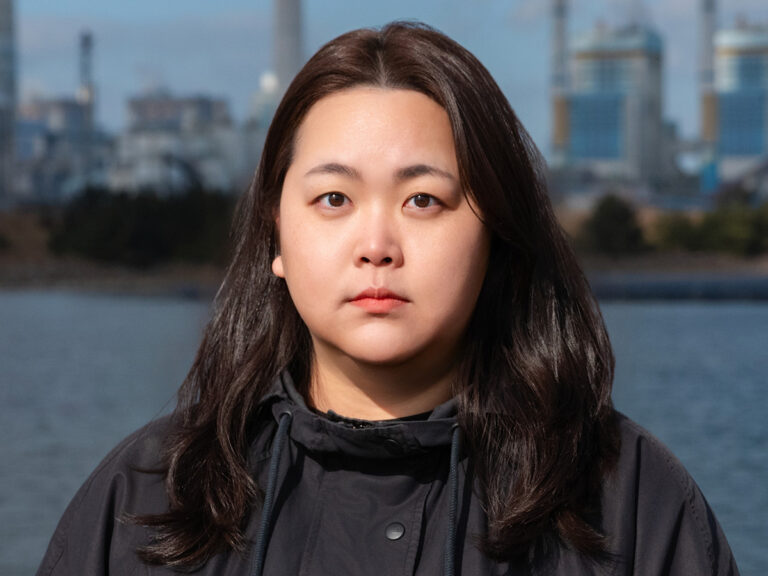
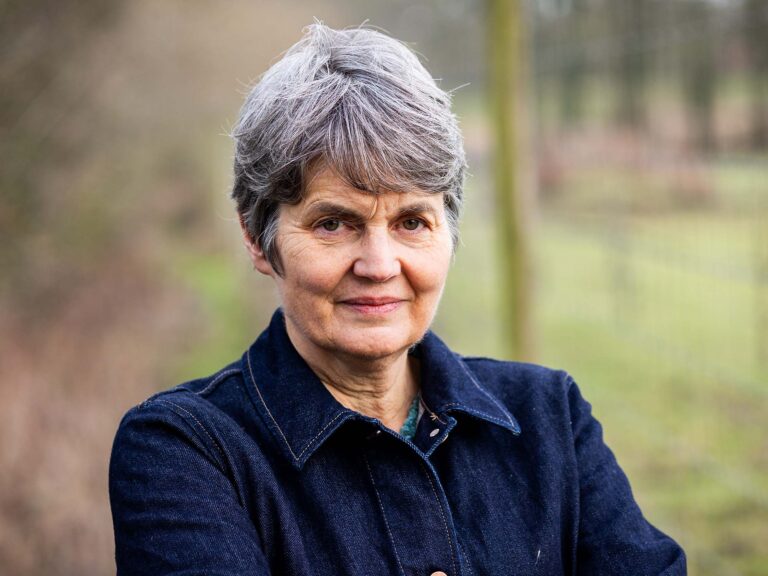
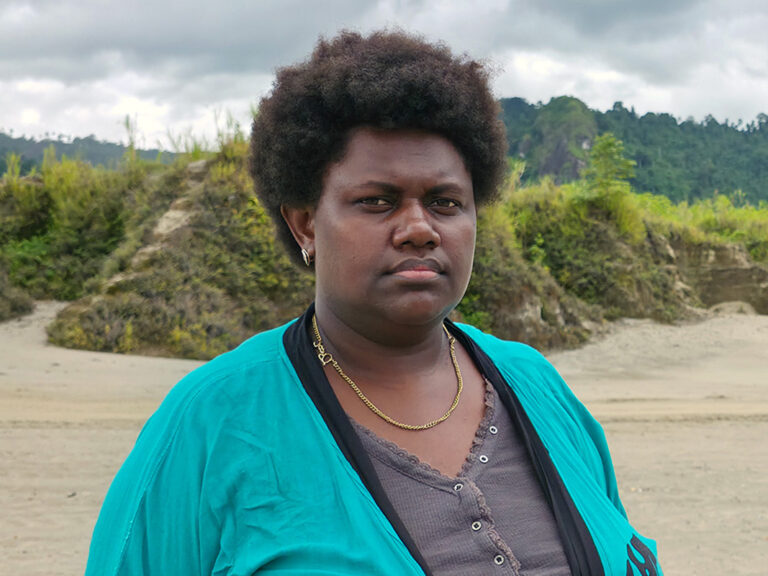
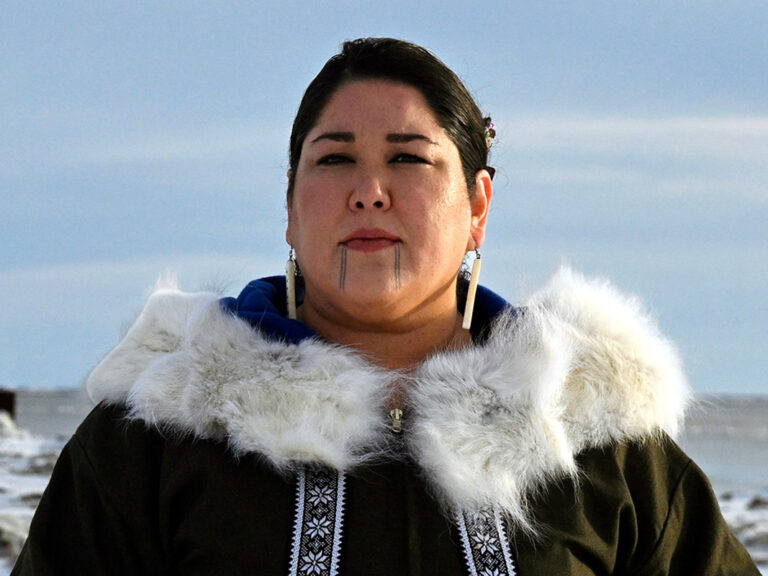
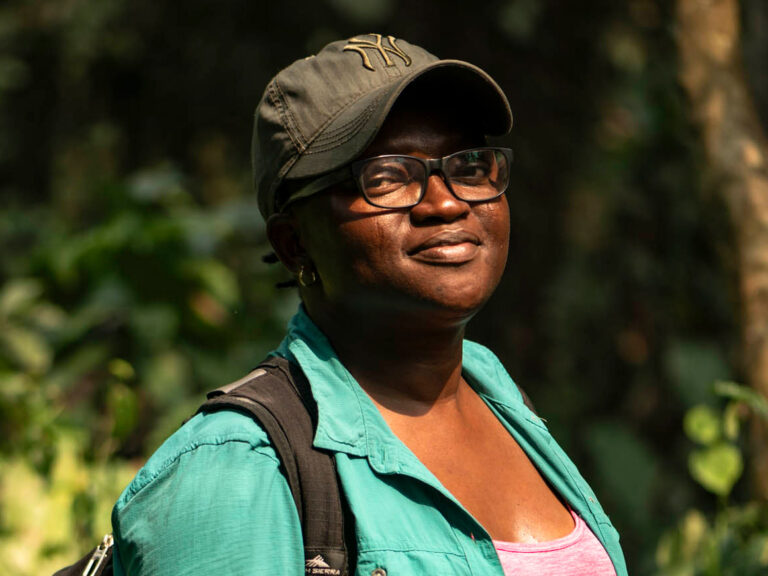
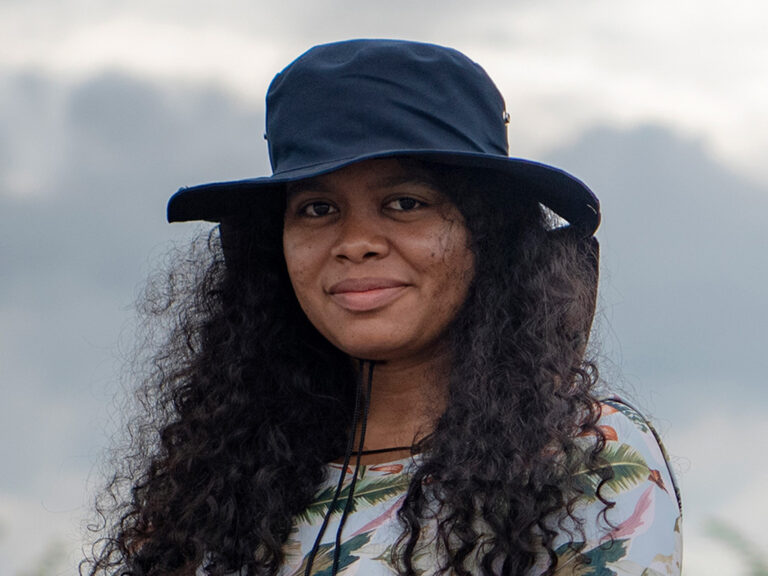
(Source for info and pictures: The Goldman Environmental Prize)
While these victories are historic, they happen against a backdrop of deep systemic injustice. A massive mismatch remains between the people doing the work and those holding institutional power. Data from the UN reveals that women make up only about 34% of national climate delegates globally. Furthermore, when community apps or city systems count on women to organize waste segregation, save energy, or conserve water, that success is often fueled entirely by their unpaid time and emotional energy. The system essentially treats women as a free safety net to patch up broken public infrastructure while keeping them outside the rooms where decisions are made.
If women are driving the most brilliant environmental wins of our time, our systems must stop failing to support, encourage, and resource them. To truly achieve SDG 1 (No Poverty), SDG 5 (Gender Equality) and SDG 8 (Decent Work and Economic Growth) , women must be given formal roles and top-tier authority in the rooms where resources are allocated. Second, their crisis-management skills must be properly funded, credited, and protected, rather than taken for granted as free labor. Resourcing our most effective crisis managers is no longer just about equal representation; it is a foundational requirement for our collective survival.
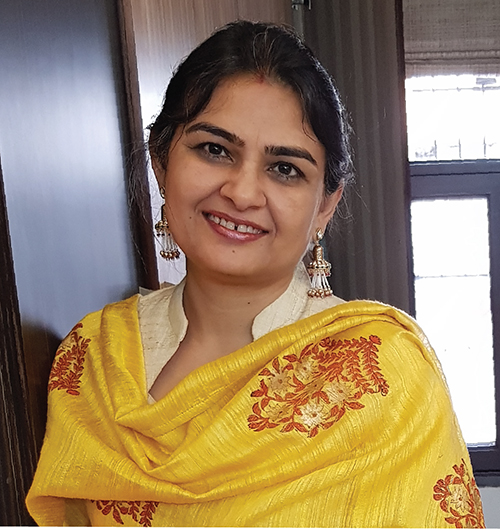
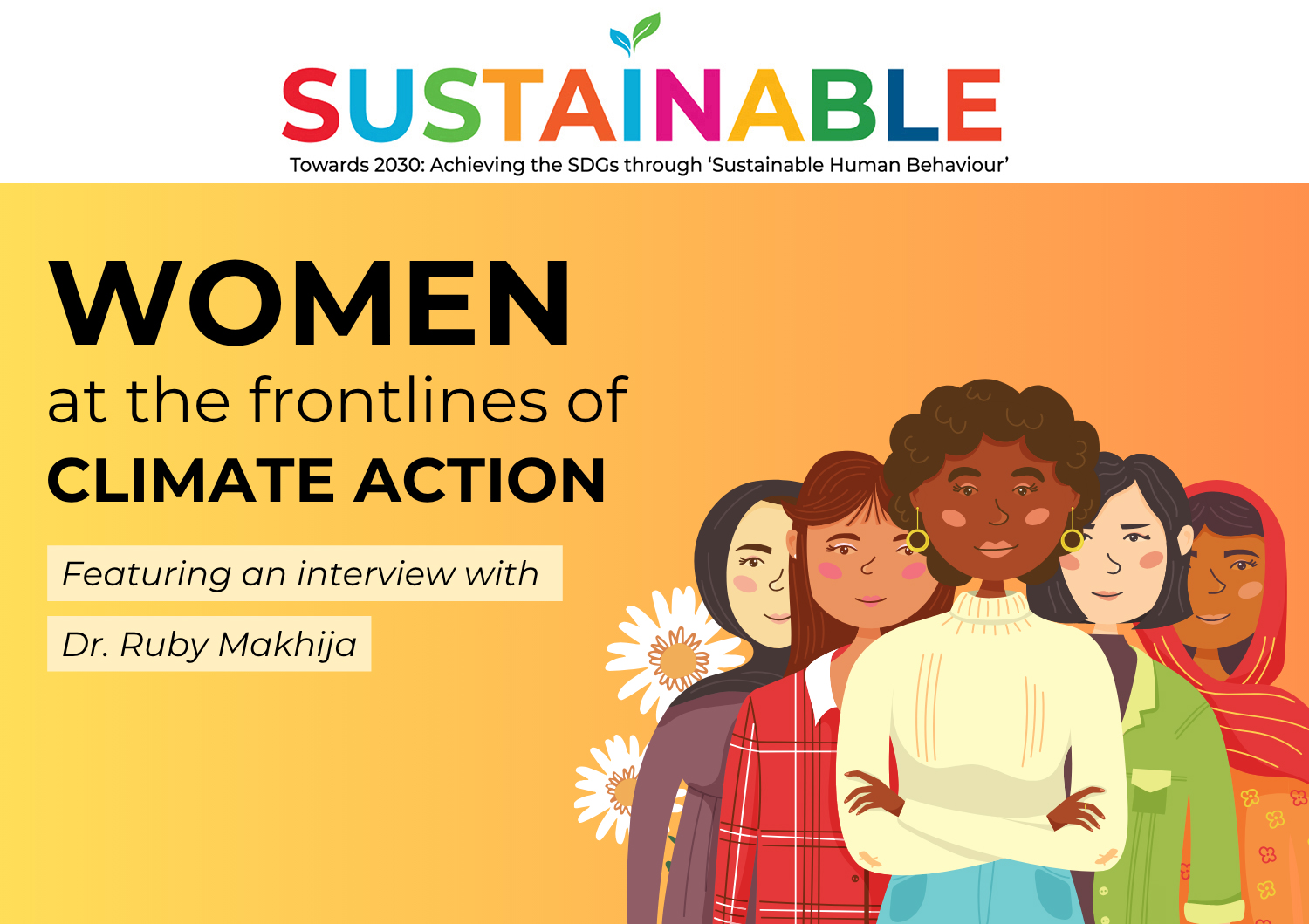
What it Takes to Change a City: An Interview with Dr. Ruby Makhija
Founder and Director of Why Waste Wednesdays Foundation
To understand how this leadership operates on the ground in India, we sat down with Dr. Ruby Makhija. Dr. Makhija is an ophthalmologist who transitioned her focus from medical health to the environmental health of her city.
Her journey into waste management began in 2017 when she stepped into her local South Delhi Resident Welfare Association (RWA) and realized that even highly educated urban communities struggled with sorting daily garbage. Over nearly a decade, she turned her colony into a zero-waste model where not a single bag of trash has reached Delhi’s overflowing landfills in the last 8 years, eventually scaling this groundwork across hundreds of Delhi markets through her foundation, Why Waste Wednesdays.
Today, as a city-level task force member and brand ambassador for the Municipal Corporation of Delhi, Dr. Makhija shares the raw, practical blueprint of what it actually takes to build community ownership, change citizen behavior, and turn sustainability into a way of life.
Zero waste, for me, is not just an environmental concept. It is deeply personal because it challenges the way we take ownership of our everyday actions. Coming from a medical background, I am well aware of the impact of sanitation on health and I have always been trained to identify root causes rather than symptoms. When I began observing the scale of waste mismanagement around us, it became clear that the problem was not just infrastructure. It was behaviour.
What truly stayed with me was the realization that every piece of waste we discard does not disappear. It simply shifts responsibility, often to someone less privileged, like a waste collector handling it manually. That disconnect between consumption and consequence made this journey personal.
Over the years, through Why Waste Wednesdays Foundation, I have seen how small behavioural shifts like segregation at source or mindful consumption can collectively lead to systemic change. Zero waste, therefore, is not about perfection. It is about responsibility, dignity, and conscious living.
Yes, there was a clear shift, but it was not a single moment. It was a carefully designed process.
Initially, awareness existed, but action was missing. The breakthrough came when we moved from telling people what to do to making it easy for them to do it. The establishment of the Navjeevan Vihar RRR Centre played a crucial role in this transformation.
Residents at Navjeevan Vihar were no longer just being educated. They were given a visible, accessible system to participate in. When people saw their waste being collected, reused, or redirected meaningfully, whether through donation drives, recycling, or community redistribution, it created a sense of ownership.
Equally important was consistent engagement through door to door conversations, volunteer led interactions, and involving every stakeholder from residents to waste workers. Over time, waste stopped being someone else’s problem and became a shared responsibility.
Designing frictionless systems is at the heart of our work. If sustainability feels like an extra effort, it will never scale.
I strongly believe that people are not unwilling to adopt sustainable practices, they are just uninformed, uninvolved or do not have the solutions. My core principles are centered around making systems simple, inclusive, and collaborative.
- First, make the right choice the easiest choice. Whether it is cloth bag borrowing under Project Vikalp or doorstep waste collection models, convenience drives behaviour.
- Second, integrate sustainability into daily life rather than disrupting it. Systems must fit naturally into existing routines.
- Third, partnerships in sustainability work best when shared strengths complement each other. Our collaboration with Bharat Soka Gakkai (BSG) is a clear example. While BSG brings a deeply committed volunteer base and strong value-driven community engagement, we contribute structured, on-ground waste management models. This alignment allowed us to convert awareness into action at scale, demonstrating how complementary strengths can drive meaningful and sustainable impact.
- Fourth, involve children and youth. When children participate, they influence entire families and help embed sustainable habits early.
- Fifth, focus on community building. Real change happens when communities move together, not in isolation. Creating a sense of shared ownership is critical.
- Sixth, ensure strong coordination with urban local bodies. Alignment with municipal systems ensures that efforts are not parallel but integrated, making them more effective and sustainable.
- Finally, ensure visibility and feedback so people can see the impact of their actions, and focus on consistency over intensity. Sustainable behaviour is built through repetition and reinforcement.
These principles help transform sustainability from an effort into a habit.
Skepticism is natural, especially when the problem feels as large as a city like Delhi.
My response has always been rooted in one belief. Systems have the most important role in scaling up. When we started, Navjeevan Vihar was just one colony. But over time, the same approach has been replicated across multiple residential areas, institutions, and even city level projects impacting entire wards and communities.
What seems small in isolation becomes powerful when it is structured, documented, and replicable. Navjeevan Vihar alone has diverted over 10 lakhs kg of waste from landfills. To anyone who feels their actions are too small, I would say that impact does not begin at scale. It begins with consistency and proof. Once a model works, scale follows naturally.
The Sustainable Development Goals may seem global, but they are deeply personal in practice. You do not need to work on SDGs. You need to live them.
One simple starting point is to take ownership of your waste. Segregating waste at source, reducing single use plastic, and reusing materials directly contribute to sustainable cities, responsible consumption, and climate action.
When individuals begin to see their daily choices, what they buy, use, and discard, as part of a larger ecosystem, the SDGs stop being distant goals and become everyday actions. Sustainability is not about doing extraordinary things. It is about doing ordinary things responsibly and consistently.
Maladaptation
The term “maladaptation” traces its origins back to evolutionary biology that explains how living organisms sometimes develop traits that harm their survival instead of helping them.
However, in the context of modern climate change and sustainability policy, the term was formally adopted by the Intergovernmental Panel on Climate Change (IPCC) in their 2001 Third Assessment Report. The IPCC uses this concept as a vital warning system to ensure that green projects do not accidentally harm the communities they are trying to protect.
Maladaptation happens when a well-intentioned fix for an environmental problem actually ends up making things worse in the long run. This usually occurs when decision-makers rush into a plan without thinking about its long-term ripples or how it will impact different groups of people on the ground. When a solution is drawn up on paper without input from the community, it completely misses real-world habits and practical know-how. The new technology or rule fails to work in real life, forcing people to bypass it. This accidentally creates brand-new problems, increases local hardships, and hits the most vulnerable populations the hardest.
To stop this from happening, sustainable policymaking must focus on “just adaptation.” This means designing solutions with fairness at their center, openly recognizing that marginalized communities – who did the least to cause environmental crises in the first place – are always the ones left most exposed to their dangers. True development cannot be built by cutting corners or ignoring the vulnerable; our remedies must protect everyone equally.
(Source: ClimaTalk)
 To Read
Five Reasons Why Climate Action Needs Women
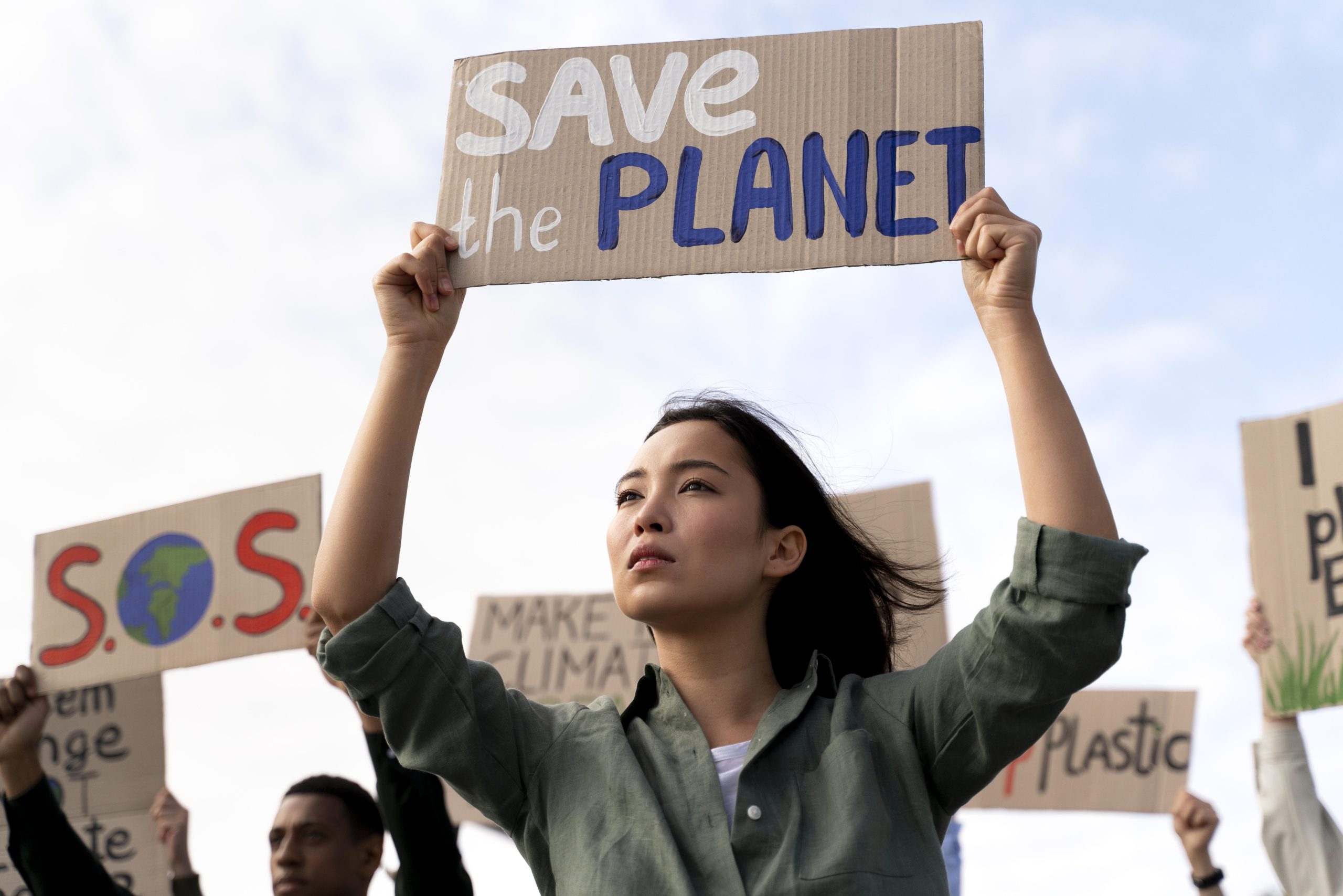
Because climate change disproportionately affects women due to existing socio-economic inequities, achieving global climate targets requires the inclusion of 100% of the population.
The Economic Power of Gender Equality
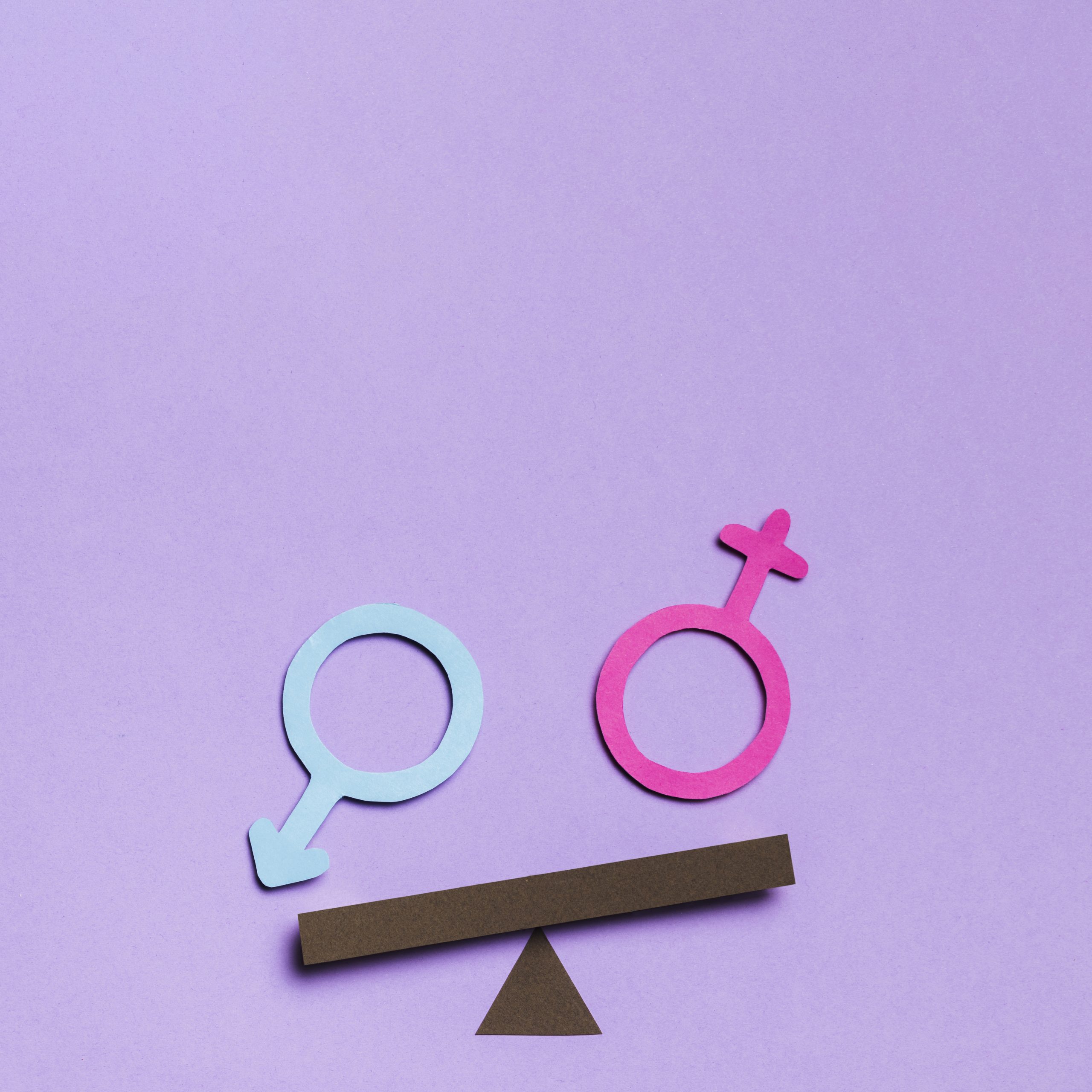
Closing the gender gap in the workforce could boost emerging market GDP by an average of 23%, while also driving superior climate solutions, as companies with female leadership demonstrate higher ESG scores and a greater reduction in carbon emissions.
In Odisha’s Niyamgiri Hills, Women Lead the Work of Stewardship
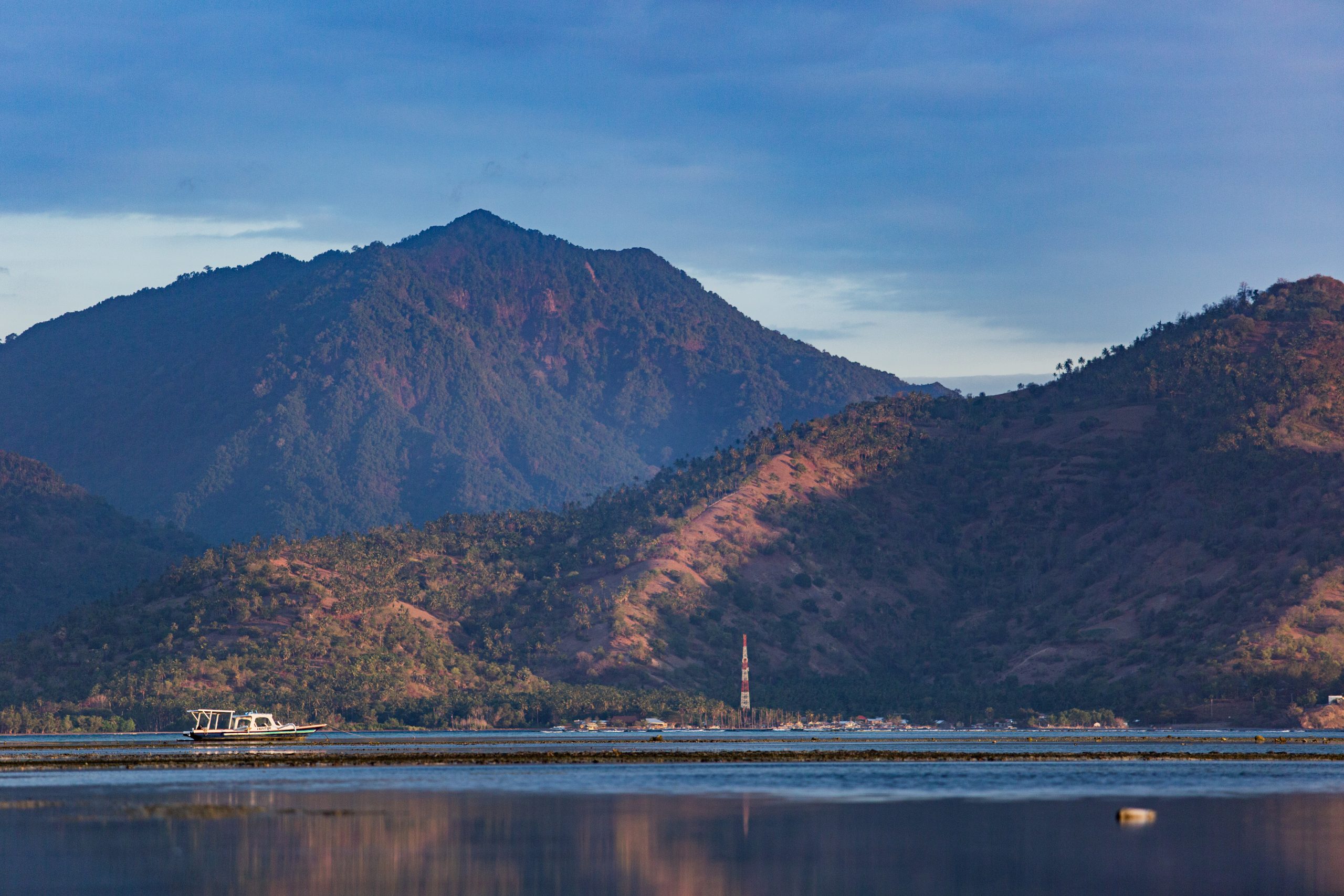
In the Niyamgiri Hills of Odisha, Dongria Kondh women are leading grassroots efforts to protect their ancestral lands and biodiversity from industrial mining threats and deforestation.
Progress on the Sustainable Development Goals: The Gender Snapshot 2025
The Gender Snapshot 2025 report by UN Women and UN DESA warns that the world is currently on track to miss every single indicator under SDG 5 (Gender Equality). However, it outlines a clear way forward via the Beijing+30 Action Agenda, proving that targeted interventions, such as closing the gender digital divide, could lift 30 million women out of poverty and spark a 1.5 trillion dollar windfall in global GDP.
 To See
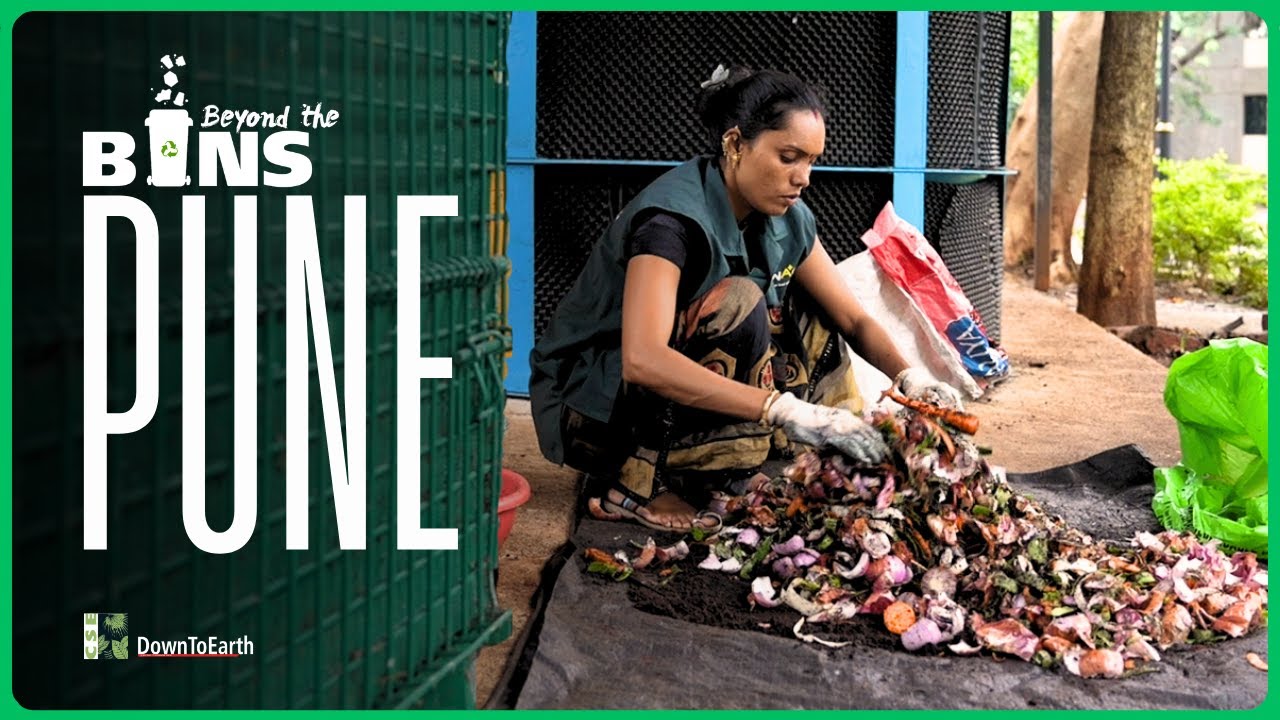
How does SWaCH manage Pune’s Bulk Waste Generators?
The documentary focuses on their specialized handling of Bulk Waste Generators (such as large residential societies, commercial complexes, and institutions). It showcases how this predominantly female workforce steps in to process and recycle organic waste at the source rather than letting it pile up in landfills, proving how formalizing informal labor creates an efficient, decentralized urban waste management system.
What Works: Gender Equality by Design
In this video, Harvard behavioral economist Iris Bohnet delivers a refreshing, evidence-based take on tackling institutional gender gaps.
 To Listen

Women’s Climate Leadership Takes Collaboration and Courage
The speakers argue that unlocking true climate resilience requires shifting away from seeing local women as charity cases and instead directly directing corporate capital, trust, and legal power into their hands.

What are Gender Barriers Made Of?
This episode explores how systemic gender barriers are maintained by subtle societal conventions, occupational segregation, and deeply ingrained behavioral stereotypes rather than overt discrimination alone. It argues that instead of trying to mind-shift the entire population, organizations can drastically close these gaps through simple, low-cost “behavioral designs” that change the environment in which people study and work.
 To Play
UNAI Quiz: SDG 5 – Gender Equality
Take this quiz to better understand gender inequality around the world.
SGI Founding President Daisaku Ikeda writes, “Gender equality and women’s empowerment are not only issues of human rights and social disparity. Reflecting the unique voices of women in every step of the process of tackling any social challenge will be the key to building societies that are sustainable and resilient in the face of the complex problems that confront our world.” And in a dialogue with social scientist, writer and peace activist Elise Boulding (as recorded in the book ‘Into Full Flower’), President Ikeda shares, “Actually, since half the word population is female, women should make up half of such (governmental) organizations. Results are sure to be balanced and reforms sure to proceed in the best way only when political and social movements incorporate women’s opinions.”
Women’s leadership introduces a completely different definition of progress and economic growth. It shifts the center of gravity from a culture of domination and extraction to a culture of preservation and interconnectedness. True sustainability and resilience are impossible to achieve when our decision-making bodies are structurally blind to the very values that keep a society whole. In the same dialogue, President Ikeda notes: “The great strength of women comes from their practical know-how. Their sense of responsibility to protect children, for instance, empowers them to work vigorously for change.”
If the core of any sustainable future is the protection and flourishing of life, then the traditions we lean on must recognize the absolute equality and capacity of those who protect it. Historically, however, societal structures have spent centuries doing the exact opposite: diminishing women’s agency and treating their wisdom as secondary. To find the root of an entirely different worldview, one that shatters these limitations, let us visit an allegory from the Lotus Sutra.
Toward the end of his life, Shakyamuni Buddha expounded a revolutionary teaching known as the Lotus Sutra. Before he began preaching, he shared a startling admission with his disciples: “In these more than forty years, I have not yet revealed the truth” (“Those Initially Aspiring to the Way,” The Writings of Nichiren Daishonin, vol. 1, p. 875).
The ultimate truth he went on to reveal was a radical departure from the rigid social hierarchies of his era: the declaration that every single person, exactly as they are, possesses the innate potential to realize the highest state of life. Crucially, this included women, a concept that the society of the time found truly shocking.
Within the Lotus Sutra, this principle comes to life through the allegory of the eight-year-old dragon girl. In ancient times, she represented the absolute margin of society: someone dismissed because of her gender, her youth, and her non-human form. Her breakthrough serves a profound dual purpose. First, it was an undeniable revelation that women are completely capable of attaining the highest state of life – Buddhahood, delivering an opposition to the deterministic biases of her era and proving that all systemic discrimination must end. Second, and perhaps most importantly, the allegory demonstrates the power of a woman completely believing in her own immense capability, refusing to let an oppressive environment dictate her worth.
President Ikeda writes,
“The dragon girl was perceived as having virtually no chance of ever attaining Buddhahood because she was a woman, was very young, and had the body of an animal. She was, however, the first to attain Buddhahood in her present form. This is very significant. The dragon girl’s enlightenment in an oppressively discriminatory society amounts to a ringing declaration of human rights. … The fundamental point of the declaration of women’s rights arising from the Lotus Sutra is that each person has the innate potential and the right to realize a state of life of the greatest happiness.”
Understanding our capacity, however, is only the foundation. A truth only becomes a lived reality when we choose to act upon it, shake off hesitation, and refuse to let our inner potential lie dormant. President Ikeda offers a powerful reminder that our inherent capabilities must be actively exercised to truly soar:
“The important thing is to build an unshakable self, set on a foundation of correct faith. This is the way to true happiness. Birds who don’t fly lose the ability to do so. They lose the use of their wings and can’t soar into the skies of happiness. An Olympic athlete who doesn’t run or doesn’t train cannot win. Striving and progressing for some purpose or goal—this is the essence of happiness”.
Women must actively rouse themselves into action and seize the lead in shaping the future. Writing during the dark, turbulent years of the 1930s, longest-serving first lady of the United States Eleanor Roosevelt captured this exact necessity, challenging women everywhere to bestir themselves and collectively command the horizon:
“If ten million women really want security, real representation, honesty, wise and just legislation, happier and more comfortable conditions of living, and a future with the horrors of war removed from the horizon, then these ten million women must bestir themselves.”
Raising the Youth to be Torchbearers of Truth and Justice Deepti Manchanda | Women’s Division | Delhi
My journey with Bharat Soka Gakkai began in 1996. Through consistent engagement in BSG’s activities, I learned a foundational truth: to deeply cherish every single human life. Embracing the “Spirit of One”—the commitment to wholeheartedly support a single individual—helped me realize that every life holds the potential to achieve wonders. The core concepts of Human Revolution and Sustainable Human Behavior became more than philosophies for me; they became a driving force that compelled me to venture into the field of capacity building for school children.
After all, SDG 4 (Quality Education) remains incomplete if those receiving the education are not completely aligned with their own unique potential.
As a community outreach volunteer, I found opportunities to translate BSG’s philosophy of life’s inherent dignity into direct action. I collaborated with NGOs focused on remedial education and personality development for underprivileged children, as well as organizations dedicated to women’s empowerment. My experience coordinating the SOHA (Seeds of Hope and Action) exhibitions further deepened this mission, allowing me to empower students to see themselves as true SDG warriors. Time and again, I watched the “Power of One” come alive in the spirit of the students hosting and visiting these exhibitions.
I didn’t step into this work thinking I would single-handedly change the world. Instead, it was the small, lasting impacts of these sessions—the real-world application of what I learned through BSG’s community outreach—that kept me grounded in the field.
Once, a child looked up at me during a session and said, “No one’s ever told me I can be confident.” That sentence stayed with me permanently.
Working in personality development and mental health awareness for school children has taught me that true empowerment isn’t a grand speech or a massive program. It exists entirely in the small moments. It is the moment a shy student raises her hand for the very first time. It is the moment a boy who was labeled “problematic” realizes he is actually a deeply empathetic listener. It is the moment a group of twelve-year-olds start calling themselves a “team” instead of just classmates. Or the unforgettable moment when the boys in a classroom spontaneously applaud a statement on gender equality made by a female peer.
Witnessing how dramatic shifts in an individual’s core values can create immediate altruistic benefits for their surrounding community, I designed a specialized workshop series on life skills. These workshops were crafted to help students take complete charge of their mental health, their learning habits, and their personal performance.
Gradually, the students who attended began to shed regressive thoughts and habits. They began to grasp their own unlimited potential and introspect deeply on human co-existence, climate action, gender equality, and the deeper purpose of their education. Recognizing the impact of this groundwork, a government school facilitated an honor for me during their Annual Day last year and recommended my modules to other institutions—adding to the growing list of schools that have allowed me to act as a changemaker.
The Power of ONE is a living reality in these spaces. It is one teacher who chooses to listen instead of lecture. It is one trainer who shows up fully even on an exhausting day. It is one activity that makes a child believe, “I have a voice.” That single action never stays confined to one child. It ripples.
I have seen it happen firsthand: a student who learns to manage anxiety in our workshop goes home and calms her younger brother before his exams. A boy who practices public speaking in our class steps up to anchor the school assembly. A teacher who attends our cluster training introduces a ten-minute gratitude circle to her own classroom. One intervention creates infinite ripples.
Society transforms not through a single, massive wave, but through thousands of these small ripples. Every young life we empower becomes a stone dropped into the water, carrying the current forward to their families, friends, and future classrooms.
This work is rarely easy. There are days when the results are invisible, and days when you wonder if you are making a difference at all. But then, months later, you receive a message: “Ma’am, I used the listening skills technique you taught us right before my job interview. I got selected.”
And in that moment, you remember—the ripple keeps moving, even when you are no longer watching. That is why I believe in the Power of ONE. Start with one child. One conversation. One act of belief. The ripples will do the rest.
 SDG Tip for Daily Life
Women often get interrupted constantly in discussions. Dismantling this blind spot means practicing active, quiet listening and creating the space for women to freely share their thoughts without stepping on their momentum.

BSG has now Successfully Held 293 SOHA Exhibitions
The ‘Seeds of Hope and Action (SOHA): Making the SDGs a Reality’ exhibition has travelled to 285 destinations across the country, including: Chandigarh, Amritsar, Jaipur, Delhi, Karaikal, Gangtok, Kalimpong and Hurda, Rajasthan.
Read more
BSG forms the 43rd SDG Club
As part of its mission to foster young SDG ambassadors in Indian schools and colleges, BSG established the 43rd SDG Club in Mothers’ Mount Global School, Meera Enclave, Delhi.
Read moreContact Us
 Any queries or suggestions regarding the newsletter can be addressed to sdg@bharatsokagakkai.org
 To know more about the ‘BSG for SDG’ initiative, visit the BSG for SDG website
 Download the ‘BSG for SDG’ mobile app with the carbon footprint calculator